
 Kontakt
 Wie einkaufen
Versand
Kaufberater
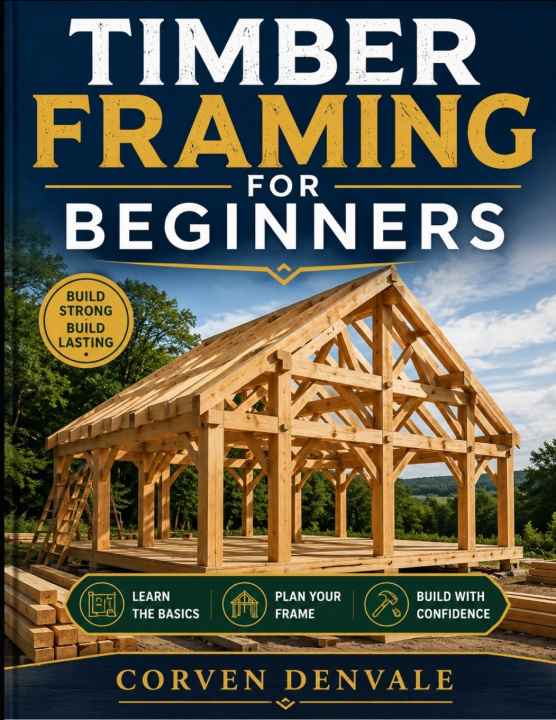
TIMBER FRAMING FOR BEGINNERS
Learn the Basics, Plan Your Frame, and Build with Confidence
 Englisch
 30 b
30 b
 Demnächst
 Neu
Neu
Bis zu 30 Tage Rückgaberecht

WANT TO BUILD A TIMBER FRAME BUT DON'T KNOW WHERE TO START?
Timber framing can look intimidating when you see massive beams, complex joints, unfamiliar terminology, and an entire structure waiting to be raised. But you don't need to begin with a timber-frame house or years of apprenticeship.
Timber Framing for Beginners gives you a practical introduction to the craft and walks you through the essential skills needed to plan, cut, assemble, and raise a small timber-frame structure with greater confidence.
Inside, you'll learn how timber framing works, how it differs from conventional stick framing, how to choose suitable timber, which tools actually matter, and how to create a workspace that makes accurate work easier.
You'll also learn the fundamentals of square-rule layout, including reference faces, reference edges, accurate marking, story poles, cut lists, and the common layout mistakes that can turn an expensive timber into wasted material.
The book then takes you into the heart of timber-frame joinery.
You'll learn how to lay out and cut a mortise and tenon joint, understand what a properly fitted joint should look and feel like, correct common mistakes, and practice on inexpensive scrap before committing your best timber to a structural joint.
From there, you'll expand into diagonal braces, angled joinery, scarf joints, wood pegs, and drawboring, learning how these traditional connections work and why they matter to the strength and stability of the frame.
When you're ready to build, you'll learn how to choose a realistic first project, including a garden shed, lean-to, or open-sided pavilion, determine an appropriate scope, think through bents and bays, consider roof styles, prepare a complete cut list, and plan your site and foundation requirements.
You'll then move through the actual building process: cutting the frame, checking and dry-fitting joints, troubleshooting mistakes, preparing the components for assembly, and planning the raising of the finished frame.
Inside this beginner-friendly guide, you'll discover:
• How timber framing actually works
• Timber selection, grain, moisture, and sizing considerations
• Essential hand tools and power tools
• How to prepare and organize a timber-framing workspace
• How to read basic timber-frame drawings
• Square-rule layout from reference face to finished joint
• Mortise-and-tenon joinery from layout through fitting
• Diagonal brace joinery and brace positioning
• Scarf joints and traditional pegging
• Drawboring and how it tightens a timber-frame connection
• How to create a practical cut list
• How to plan a manageable first timber-frame structure
• Common cutting and layout mistakes and how to fix them
• How to prepare for a safe frame raising
• Practical guidance for finishing and enclosing your structure
• A useful glossary and quick-reference material and tool guide
Most importantly, this book encourages you to practice before you commit. Instead of learning the hard way on expensive structural timber, you'll develop your layout, sawing, chiseling, fitting, and measuring skills on manageable practice pieces first.
Whether you're a complete beginner, a woodworker interested in structural joinery, a DIY builder, or someone who has always wanted to try traditional timber framing, this guide gives you a clear starting point and a realistic path forward.
Stop staring at timber-frame projects wondering how people make those joints. Start learning the skills that make them possible.


Informationen zum Buch
Englisch
