
 Kontakt
 Wie einkaufen
Versand
Kaufberater
 Englisch
 32 b
32 b
 Neu
Neu
Bis zu 30 Tage Rückgaberecht

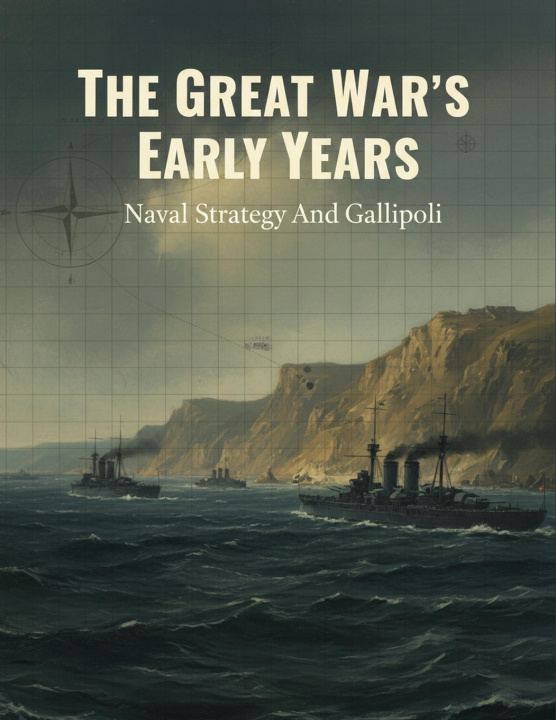
The Great War's early years witnessed a profound paradox at sea: an unprecedented concentration of naval power held in check by strategic inertia and the terrifying potential of modern warfare. "The Great War'S Early Years: Naval Strategy And Gallipoli" meticulously dissects this critical period, moving beyond the popular image of land battles to uncover the complex maritime decisions that shaped the conflict's initial trajectory.
August 1914 saw the grand fleets of Britain and Germany, products of a ruinous naval race and decades of geopolitical rivalry, poised for a decisive clash. Influenced by Alfred Thayer Mahan's theories, the world anticipated a second Trafalgar. Yet, the expected monumental showdown in the North Sea remained elusive. Instead, a war of nerves, patrols, and a deep-seated reluctance to risk capital ships defined the early naval struggle. This strategic deadlock, born from immense forces and existential stakes, created a vacuum for alternative strategies, leading to one of the war's most ambitious and controversial campaigns.
The book then pivots to the Near East, exploring the "Ottoman Question" and the audacious proposal to force the Dardanelles. From initial naval bombardments to inter-service discord between the Admiralty and War Office, the path to Gallipoli was fraught with miscalculation. The subsequent amphibious landings marked a significant strategic shift, yet the Straits Campaign ultimately became a stark lesson in missed opportunities and tactical realities. Juxtaposed against this, the narrative briefly touches upon the "Baltic Gambit," offering a counterpoint to the Western Front's static warfare.
Beyond grand campaigns, this analysis delves into the emergence of new threats like the submarine, the lag in military innovation, and the immense psychological pressures on command. It examines how strategic choices, often marked by hesitation and internal friction, left a lasting legacy on the war's progression and ultimate outcome.
Key insights explored in this volume include:
- The profound strategic inertia that characterized early naval operations in the North Sea.
- The pre-war naval race and the enduring influence of Mahan's theories on naval doctrine.
- The complex decision-making process behind the Dardanelles campaign and its ambitious goals.
- The critical role of inter-service discord and its impact on the Gallipoli landings.
- The emergence of new naval threats and the challenges of military innovation in a rapidly changing conflict.
- The lasting consequences of strategic hesitation and command psychology on the Great War's early years.
This comprehensive study is essential reading for anyone seeking a deeper understanding of the naval dimensions and strategic complexities that defined the opening chapters of the First World War.


Informationen zum Buch
Englisch
