
 Kontakt
 Wie einkaufen
Versand
Kaufberater
RSS
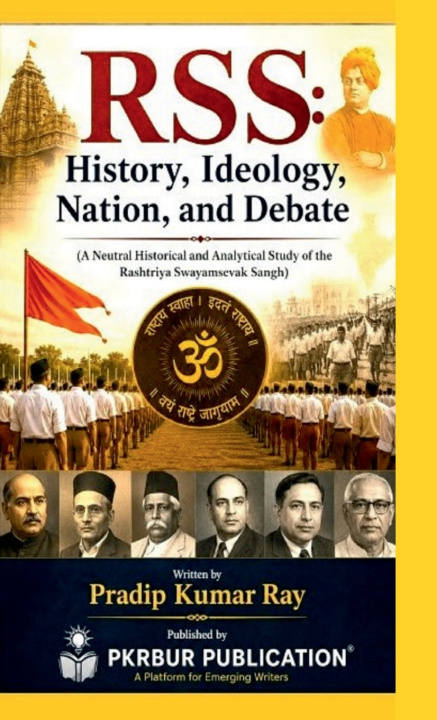
History, Ideology, Nation, and Debate : (A Neutral Historical and Analytical Study of the Rashtriya Swayamsevak Sangh)
 Englisch
 74 b
74 b
 Demnächst
 Neu
Neu
Bis zu 30 Tage Rückgaberecht

The Rashtriya Swayamsevak Sangh, commonly known as RSS, is among the most influential socio-cultural organizations in modern India. Founded in 1925 in Nagpur, the organization has played a major role in shaping debates around nationalism, culture, religion, education, politics, and identity in India. Despite its significance, the RSS remains one of the most debated and contested institutions in Indian public life. Supporters of the RSS describe it as a patriotic cultural movement devoted to national unity, discipline, social service, and civilization revival. Critics, however, argue that its ideological framework contributes to religious polarization and majoritarian nationalism. Over the decades, the organization has attracted admiration, suspicion, scholarly attention, state scrutiny, and political controversy. This book attempts neither a defense nor a condemnation of the RSS. Instead, it seeks to present a historically grounded and analytically balanced examination of the organization, its ideology, evolution, structure, leadership, political influence, social activities, and controversies. The book also attempts to place the RSS within the broader historical context of colonialism, nationalism, identity politics, and postcolonial state formation in India. The challenge in writing about the RSS lies in the deeply polarized narratives surrounding it. A scholarly examination therefore requires careful attention to evidence, multiple viewpoints, and historical context.


Informationen zum Buch
Englisch
