
 Kontakt
 Wie einkaufen
Versand
Kaufberater
Return to Fukushima
 Englisch
 40 b
40 b
Bis zu 30 Tage Rückgaberecht
Kunden kauften auch




















 /
/
 Broschur
 40.99
€
40.99
€

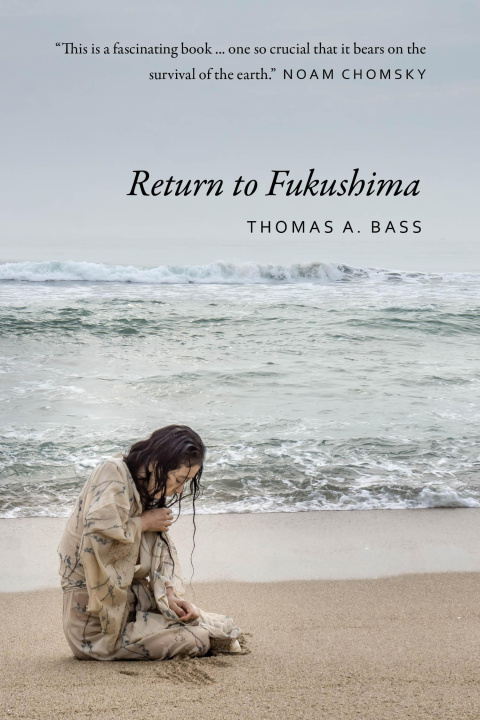
Is it possible to live in a nuclear exclusion zone? Return to Fukushima captures the aftermath of the 2011 nuclear disaster, chronicling the resilience of people navigating life amid radioactivity.
Fukushima is an ongoing nuclear disaster. The four reactors that melted down and exploded in 2011 are still deadly, even to the robots that get burned up trying to explore them. Over a hundred thousand people remain displaced, their homes frozen in time, eerie ghost towns where slippers sit undisturbed at doorsteps and tables are set for absent guests. Wild animals have moved into the houses. Vines overgrow buildings surrendering to entropy.
But grassroots efforts are reviving Fukushima, propelled by the ingenuity of local farmers and entrepreneurs, citizen scientists, artists, and immigrants from around the world who are intrigued by starting new lives in the red zone.
In 2018 and again four and a half years later, Thomas Bass travelled to Fukushima. The difference was dramatic: The place had been cleaned up and reopened. Gradually, people are learning to live with radioactivity, decontaminate their fields, monitor their food, and prepare for the next wave set to wash over this seismically precarious part of the world. After seven years of research, including travels to Chernobyl, Bass gives us a remarkable account of how Fukushima's Argonauts of the Anthropocene are guiding us into our atomic future.


Informationen zum Buch
Englisch

Verschenken Sie dieses Buch noch heute
Es ist ganz einfach
1 Legen Sie das Buch in Ihren Warenkorb und wählen Sie den Versand als Geschenk 2 Wir schicken Ihnen umgehend einen Gutschein 3 Das Buch wird an die Adresse des beschenkten Empfängers geliefertDas könnte Sie auch interessieren
 /
Broschur
44.79
€
/
Broschur
44.79
€



 /
Broschur
22.99
€
/
Broschur
22.99
€






 /
Broschur
15.79
€
/
Broschur
15.79
€




Hallo! Ich bin Libroamiko, dein Buchberater.
Wie kann ich dir helfen?