
 Kontakt
 Wie einkaufen
Versand
Kaufberater
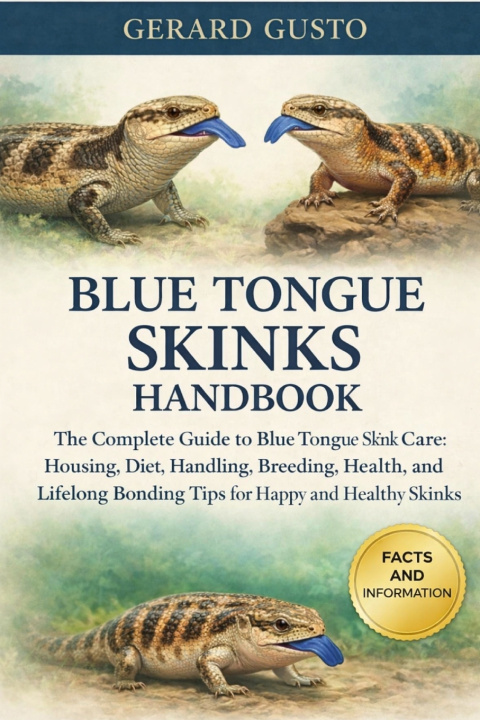
BLUE TONGUE SKINKS HANDBOOK
The Complete Guide to Blue Tongue Skink Care: Housing, Diet, Handling, Breeding, Health, and Lifelong Bonding Tips for Happy and Healthy Skinks
 Englisch
 34 b
34 b
Bis zu 30 Tage Rückgaberecht
Kunden kauften auch















Introduction to Blue Tongue Skinks
A Remarkable Lizard in the Reptile World
Among the vast diversity of reptiles kept in captivity, few species capture the attention and affection of hobbyists as much as the blue tongue skink. Recognized immediately by its stout body, short limbs, and of course its vivid cobalt-blue tongue, this lizard stands apart as both a fascinating biological specimen and a loyal companion animal. The blue tongue skink belongs to the genus Tiliqua, a group of ground-dwelling lizards native primarily to Australia, Indonesia, and parts of New Guinea. Unlike many reptiles that display nervous or flighty temperaments, blue tongue skinks are admired for their calm disposition, manageable size, and hardy nature, making them one of the most accessible reptiles for first-time keepers while still intriguing enough for experienced herpetologists.
Unique Qualities That Attract Keepers
What makes the blue tongue skink special is not merely its striking appearance but also the combination of traits that lend themselves well to life in captivity. These reptiles are generally docile, allowing for frequent handling without the defensive stress often observed in other lizards. Their omnivorous diet adds to their appeal, since they are not limited to live insect prey but can also enjoy fruits, vegetables, and prepared diets. Unlike snakes or highly active geckos, blue tongue skinks display a level of predictability in their behavior, moving with deliberate confidence rather than jittery speed.Another characteristic that keeps them in demand is their lifespan. With proper care, a blue tongue skink may live fifteen to twenty years, and some individuals have been reported to live even longer. This longevity transforms the commitment into a long-term bond, offering reptile enthusiasts the opportunity to grow with their pet over decades rather than just a few fleeting years.
The Popularity of Blue Tongue Skinks as Pets
Over the last few decades, blue tongue skinks have transitioned from being obscure exotics seen only in the collections of serious reptile keepers to becoming a familiar presence in reptile expos, specialty pet stores, and household terrariums. Their popularity can be traced to several factors:- Ease of Care - They tolerate a wide range of captive conditions when set up properly, making them forgiving for beginners.
- Gentle Temperament - Their calm and curious demeanor encourages interaction.
- Distinctive Appearance - With their large, smooth scales and vivid tongue display, they remain visually impressive.
- Adaptability in Diet - Their willingness to eat a mix of insects, vegetables, and fruits reduces the stress of sourcing live prey.


Informationen zum Buch
Englisch

Verschenken Sie dieses Buch noch heute
Es ist ganz einfach
1 Legen Sie das Buch in Ihren Warenkorb und wählen Sie den Versand als Geschenk 2 Wir schicken Ihnen umgehend einen Gutschein 3 Das Buch wird an die Adresse des beschenkten Empfängers geliefertDas könnte Sie auch interessieren






 /
/
 Broschur
 15.09
€
15.09
€



Hallo! Ich bin Libroamiko, dein Buchberater.
Wie kann ich dir helfen?