
 Kontakt
 Wie einkaufen
Versand
Kaufberater
 Englisch
 348 b
348 b
Bis zu 30 Tage Rückgaberecht
Das könnte Sie auch interessieren














 /
/
 Broschur
 6.39
€
6.39
€










 /
Broschur
18.19
€
/
Broschur
18.19
€

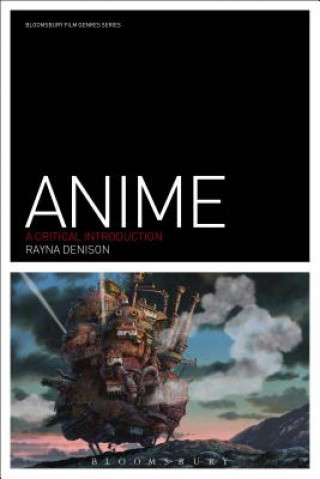
"Anime: An Introduction" maps the genres that have thrived within Japanese animation culture, and shows how a wide range of commentators have made sense of anime through discussions of its generic landscape. From the battling robots that define the "mecha" genre through to Studio Ghibli's dominant genre-brand of plucky "shojo" (young girl) characters, this book charts the rise of anime as a globally significant category of animation. It also thinks through the differences between anime's local and global genres: from the less-considered niches like "nichijo-kei" (everyday style anime) through to the global popularity of science fiction anime, this book tackles the tensions between the markets and audiences for anime texts. Anime is consequently understood in this book as a complex cultural phenomenon: not simply a "genre," but as an always shifting and changing set of texts. Its inherent changeability makes anime an ideal contender for global dissemination, too, as it can be easily re-edited, translated and then newly understood as it moves through the world's animation markets. As such, "Anime: An Introduction" understands anime through a range of debates that have emerged around its key film texts; through discussions of animation and violence, through debates about the cyborg and through the differences between local and global understandings of anime products. "Anime: An Introduction" uses these debates to frame a different kind of understanding of anime, one rooted in contexts and not just texts. In this way, "Anime: An Introduction" works to create a new space in which to rethink the meanings of anime as it travels around the world.


Informationen zum Buch
Englisch

Verschenken Sie dieses Buch noch heute
Es ist ganz einfach
1 Legen Sie das Buch in Ihren Warenkorb und wählen Sie den Versand als Geschenk 2 Wir schicken Ihnen umgehend einen Gutschein 3 Das Buch wird an die Adresse des beschenkten Empfängers geliefertHallo! Ich bin Libroamiko, dein Buchberater.
Wie kann ich dir helfen?