
 Kontakt
 Wie einkaufen
Versand
Kaufberater
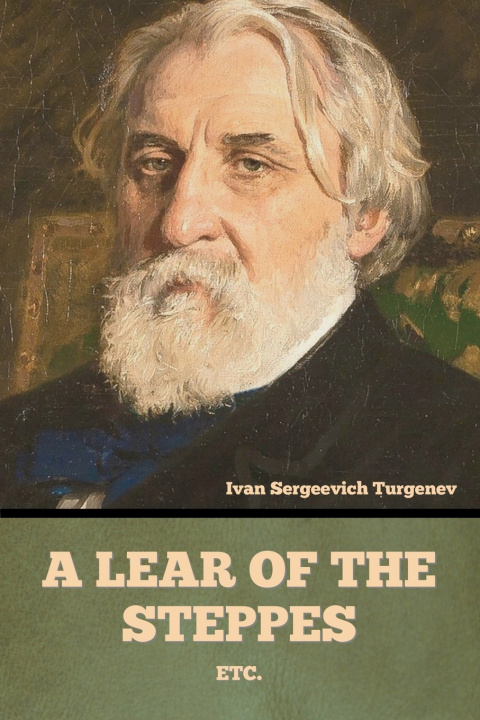
A Lear of the Steppes, etc.
 Englisch
 29 b
29 b
 Neu
Neu
Bis zu 30 Tage Rückgaberecht

A Lear of the Steppes is a novella by Ivan Sergeevich Turgenev that reimagines the tragic themes of Shakespeare's King Lear in the setting of rural Russia. The story centers on Martin Petrovich Kharlov, a wealthy landowner whose commanding personality and pride make him a powerful figure in his community. Believing that age is weakening him, he decides to divide his property between his daughters while expecting their gratitude, loyalty, and respect in return.
As the narrative unfolds, Kharlov's decision leads to disappointment and suffering. His daughters fail to show the devotion he anticipated, and he gradually loses both authority and dignity. Turgenev portrays the emotional consequences of misplaced trust, family conflict, and excessive pride. Through Kharlov's tragic decline, the novella explores the universal human desire for love and recognition, as well as the pain that arises when those expectations are betrayed.
The work is admired for its psychological depth and realistic depiction of Russian provincial life. Turgenev combines vivid descriptions of the countryside with a sensitive examination of human character. Like Shakespeare's King Lear, Kharlov is a flawed but compelling figure whose downfall evokes both sympathy and reflection. The novella remains an important example of Turgenev's ability to adapt timeless themes to the social and cultural realities of nineteenth-century Russia.
About the Author
Ivan Sergeevich Turgenev (1818-1883) was a major figure in 19th-century Russian literature, known for his refined prose style and insightful portrayals of social change. Born into a wealthy landowning family in Oryol, Turgenev received a privileged education that included studies in Moscow, St. Petersburg, and Berlin. His early exposure to Western European philosophy and literature deeply influenced his worldview, helping shape his later role as a cultural bridge between Russia and Europe.
Turgenev gained prominence with works that explored the tensions within Russian society, especially between generations and ideological movements. His most famous novel, Fathers and Sons (1862), introduced the character Bazarov, often considered one of literature's first nihilists. Through such works, Turgenev examined themes like reform, tradition, love, and the changing social order, often portraying the struggles of individuals caught between old aristocratic values and emerging modern ideas. His writing is noted for its psychological depth, subtle humor, and lyrical depiction of the Russian countryside.
Although celebrated in Russia, Turgenev spent much of his later life abroad, particularly in France and Germany, where he associated with prominent European writers like Gustave Flaubert and Henry James. He played a key role in introducing Russian literature to Western audiences, influencing perceptions of Russian culture across Europe. Despite occasional criticism from Russian contemporaries who found him too Westernized, Turgenev remains a central figure in world literature, admired for his elegance, empathy, and nuanced exploration of human relationships.


Informationen zum Buch
Englisch

Verschenken Sie dieses Buch noch heute
Es ist ganz einfach
1 Legen Sie das Buch in Ihren Warenkorb und wählen Sie den Versand als Geschenk 2 Wir schicken Ihnen umgehend einen Gutschein 3 Das Buch wird an die Adresse des beschenkten Empfängers geliefertHallo! Ich bin Libroamiko, dein Buchberater.
Wie kann ich dir helfen?